 EN
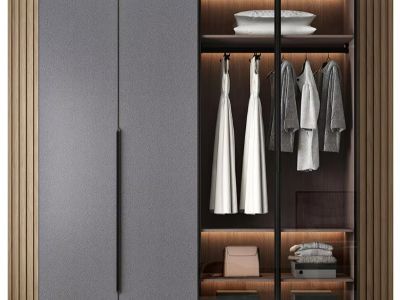
Solid wood custom cabinets are an important part of designing and building commercial spaces, from offices to stores. They help set the tone of a room and support daily work. These give a higher level of aesthetics and durability, which a lot of businesses try to achieve with this kind of product for their projects. For many buyers, the look and the lasting strength matter as much as price. We will look at quality and cost factors that influence price and value. In this article, we will discuss the quality and expenses, technical specifications, best practices, and common problems of custom cabinets and their solutions. We will explain technical specifications in plain terms so buyers can compare wood, hardware, and finishes. The goal of this article is to help B2B buyers to make a wise decision when buying. This guide also covers best practices for planning deadlines and working with suppliers.
Technical Specifications of Solid Wood Custom Cabinets Explained
Solid wood custom cabinets have some technical specifications that need to be considered. These include the thickness, size, and kind of finish. The thickness of wood has a direct effect on durability and how much weight it can handle. Usually, cabinets with a thickness of 18mm or more are advised for stronger use.
The sizes should be verified with the project plan to ensure the cabinets fit the space. The finishes may change from varnished to painted, and choosing the right finish may depend on the overall theme of the interior design of the space. Waterproof finishes or those that withstand chemicals must be considered, especially if the custom kitchen cabinets will be exposed in a place with a high level of humidity.